
The Pacific doesn’t have a drug problem. Australia and New Zealand do. And our unrelenting demand for illicit drugs is exporting instability into the region. A recent report in The Australian warned that Pacific Islanders deported …
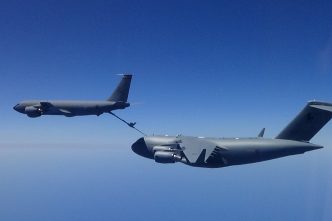
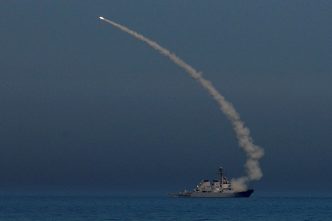
Australia needs a dedicated aerospace testing range, and it should be in the Northern Territory. Developing aircraft, missiles and their equipment, and verifying new capabilities added to them, requires real-world testing in large airspaces equipped …
Australia stands at a crossroads where ambition, fiscal restraint and strategic necessity intersect. The Future Made in Australia agenda, once a rallying cry for sovereign capability and clean-energy transformation, is now the test case for …
Alarmism makes for powerful headlines, but it’s a poor basis for strategy. Claims that Pacific island nations are at risk of becoming ‘narco-states’ may have captured attention in the past few weeks, but they risk …
Australia has closed a critical gap in national security legislation to ensure the government can designate foreign state entities as sponsors of terrorism and criminalise support for them. The Criminal Code Amendment (State Sponsors of …
The Australian Army’s amphibious capability is evolving, but not without turbulence. Determining the right force posture, basing arrangements and partnerships for this capability is no easy task, and the consequences of getting this wrong will …
Signing the new Australia–US critical minerals agreement on 20 October was the easy part. The real test will be its implementation. The challenge, and opportunity, is to turn diplomatic intent into industrial capability and national …
The unintended consequences of our current tobacco control regime are now outweighing its health and economic benefits, as illicit trade explodes, enforcement costs soar and criminal networks flourish. It’s time for policymakers to confront a …
The new United States–Australia Framework for Securing of Supply in the Mining and Processing of Critical Minerals and Rare Earths is a game-changer for both countries and for producers such as Arafura Resources in the …
Australia needs a government that turns intent into industry by signing deals and delivering dollars, contracts and capital flows. Unless the federal government and its bureaucracy become more commercially literate and economically fluent, Australia’s strategic …
Economic coercion is rarely as dramatic as missiles or armies, but its consequences can be just as destabilising. The weaponisation of interdependence has become an increasingly potent tool of statecraft as globalisation has bound nations, …
From Washington to Beijing, tariffs and trade restrictions are being repurposed as tools of strategic competition, reshaping the global economy in the process. Economic coercion has emerged as one of the most potent tools, blurring …